By John Pacinio
•
December 2, 2025
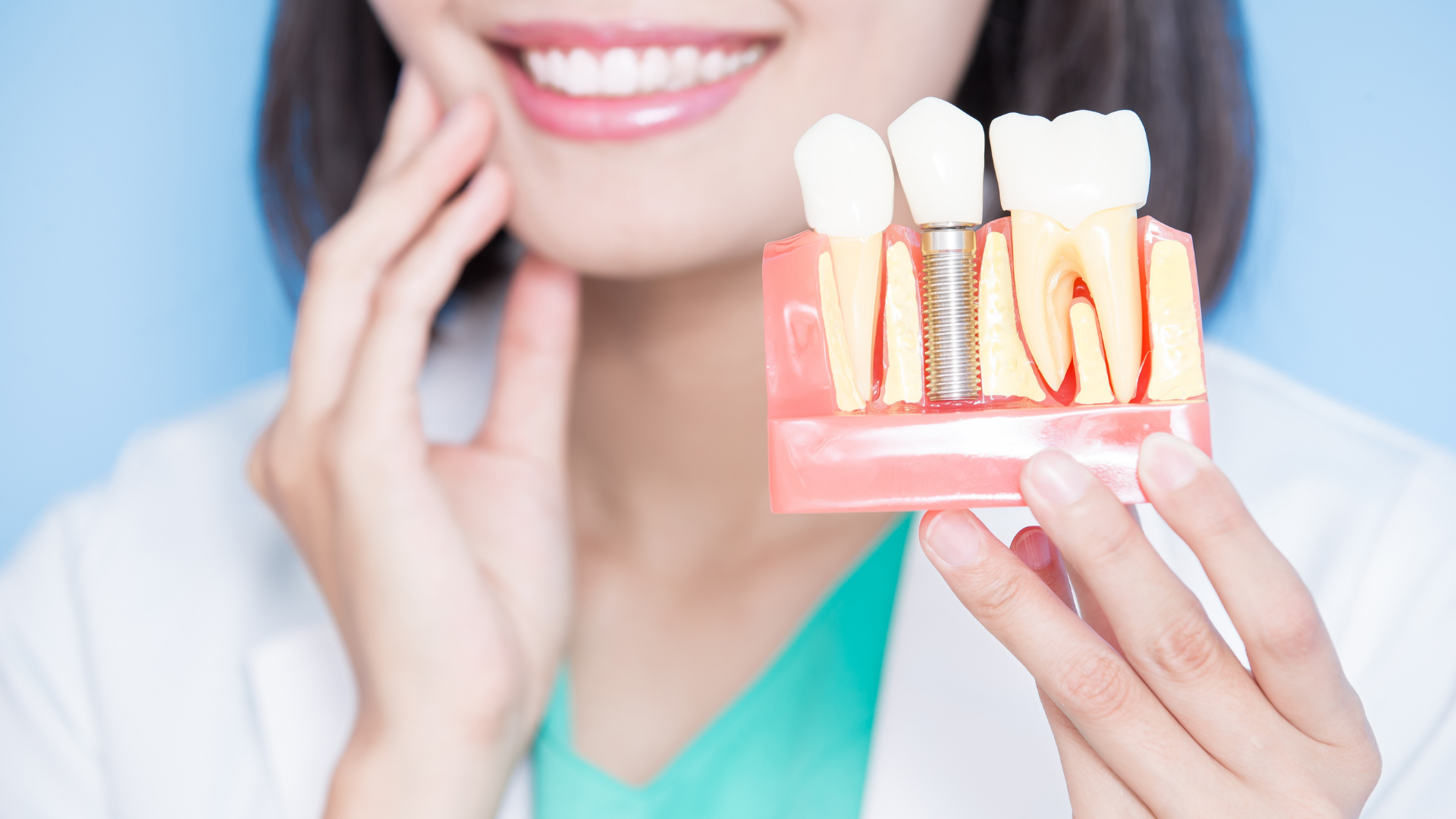
A dental crown is one of the most reliable and effective treatments in modern dentistry. It’s a custom-made "cap" that fits over a damaged, decayed, or weakened tooth, restoring its original shape, strength, and function. When properly cared for, it protects the vulnerable tooth underneath for years, allowing you to chew, speak, and smile with confidence. However, a question we often hear from our patients is: How long does a dental crown typically last? On average, a crown can last anywhere from 5 to 15 years, or even longer. Its longevity depends on several key factors: The crown material (e.g., all-porcelain, CEREC ceramic, zirconia, or porcelain-fused-to-metal) Your personal oral hygiene (daily brushing and flossing are critical) Biting and chewing forces (habits like clenching, grinding your teeth, or chewing ice can shorten a crown's life. The crown's location (molars that do heavy chewing may wear faster than front teeth) Because it’s not a "forever" solution, it's essential to know the signs that your crown may be failing. Ignoring a problem can lead to decay, infection, or even the loss of the underlying tooth. This guide will walk you through the seven key signs that your dental crown needs professional attention from your Tustin dentist. 7 Telltale Signs Your Dental Crown Needs to Be Checked Pay close attention to your body and your bite. These symptoms are your body’s way of letting you know something is wrong. 1. Pain, Discomfort, or Sensitivity Pain is your body’s most effective alarm system. If you suddenly experience sensitivity to hot or cold temperatures or sharp pain when biting down, don't ignore it. Why it happens: This sensitivity can mean that the crown has a small crack, is loose, or that the cement has washed away, allowing fluids to seep underneath and reach the sensitive dentin or nerve of the tooth. It could also signal that decay has started at the crown’s margin (where it meets the tooth) and is infiltrating underneath. The risk: Ignoring this pain can allow decay to progress, potentially leading to a root canal infection or an abscess. 2. Visible Damage: Chips, Cracks, or Fractures Take a close look at your crown in the mirror. While modern porcelain and ceramic materials are incredibly strong, they are not indestructible. Why it happens: Biting down on something hard (like a nut, ice, or hard candy) or a sudden impact can cause the crown to chip or crack. Patients who grind their teeth (bruxism) are also at a higher risk of fractures . The risk: Even a small, seemingly "cosmetic" chip can be a serious problem. A fracture compromises the crown's structural integrity. Its sharp edges can irritate your tongue or cheek, and the crack itself becomes a highway for bacteria to invade the tooth underneath, leading to decay. 3. The Crown Feels Loose or Wobbly A dental crown should feel exactly like your natural tooth—solid, stable, and secure. If your crown feels "off," mobile, or wobbly when you chew or press on it with your tongue, this is an urgent issue. Why it happens: A crown can become loose for two main reasons: 1. The dental cement that bonds it to your tooth has dissolved or failed over time. 2. The underlying tooth has experienced more decay, and there isn't enough healthy structure left to hold the crown securely. The risk: A loose crown is a bacterial trap. Every time you eat or drink, particles and bacteria get packed underneath, causing rapid decay. There's also a significant risk of the crown falling off completely, which could be a choking hazard or result in you swallowing it. 4. A Dark Line Appears at Your Gum Line This is a common cosmetic concern, but it can also be a symptom of a more serious health issue. Why it happens: This dark line can have two causes. The first is common with older-style porcelain-fused-to-metal (PFM) crowns. As gums naturally recede with age, the metal margin at the base of the crown becomes visible. This is typically just a cosmetic issue. The risk: The second cause is more serious. A dark line or shadow at the margin of any type of crown (even all-ceramic) can be a sign of decay or a "leaky" margin. This dark area is the decayed tooth structure peeking out from under the edge of the crown. 5. Your Gums Are Swollen, Bleeding, or Receding Healthy gums should be light pink, firm, and fit snugly around the base of your crown. If the gums around your crowned tooth are red, puffy, tender, or bleed when you floss, it's a red flag. Why it happens: This inflammation can be a sign of gingivitis or periodontitis (gum disease). However, it can also be a specific reaction to the crown itself. A poorly fitting crown with a "ledge" or "overhang" can trap plaque and bacteria, making it impossible to clean effectively. The risk: Persistent inflammation can lead to gum recession and, more seriously, bone loss around the tooth, compromising its long-term stability. 6. You Have Bad Breath or a Bad Taste If you notice a persistent foul odor or bad taste that seems to be coming from the area of your crowned tooth, this is a classic sign of a problem. Why it happens: A crown that is no longer appropriately sealed—whether from a crack, loose cement, or a poor fit—creates a stagnant space. Food particles and bacteria become trapped in this space, which your toothbrush and floss can't reach. The resulting bacterial activity and decay release foul-smelling sulfur compounds. The risk: This is a clear indicator of an active bacterial infection and decay process happening underneath your crown. 7. Your Bite Feels "Off" Your bite is a complex and finely tuned system. If a single tooth feels "high" or "off" when you close your mouth, it can cause a chain reaction of problems. Why it happens: A crown can shift slightly if the cement fails to adhere correctly. More commonly, if you've been grinding your teeth, the crown (or the opposing teeth) may have worn down unevenly, changing how your teeth fit together. The risk: A "high" bite puts excessive force on the crowned tooth, which can lead to fractures, pain, and even jaw joint (TMD) issues. Repair or Replace? How We Make the Decision When a patient comes to us with a crown problem, their first question is often, "Can't you just patch it up?" The answer depends entirely on the underlying cause. When Can a Crown Be Repaired? Proper repairs are rare and often temporary. The only time a crown can be repaired is for a tiny , superficial chip on a front tooth that doesn't affect your bite and isn't caused by underlying decay. In this case, we can smooth the rough edge or use dental composite (bonding) to patch the cosmetic blemish. However, this is not a long-term solution. Why Replacement is Usually the Best Solution In nearly all other scenarios—especially those involving pain, looseness, decay, or large fractures—a full replacement is the only safe and effective solution. Think of it this way: patching a chip on a crown is like repairing a small hole in a leaky roof. It might stop the drip for a little while, but it doesn't fix the water damage in the attic or the structural problem that caused the leak in the first place. A new crown is necessary to: Remove all the decay that has formed underneath. Address any infection in the underlying tooth. Ensure a perfect, bacteria-tight seal against the tooth. Restore the crown's structural integrity and proper bite. Finding the best dentist in Tustin, CA, means choosing a professional who will perform a thorough diagnosis to find the root cause of the problem, not just treat the symptom. The Transformation Dental Partners Advantage: Modern Crown Replacement At Transformation Dental Partners, we combine advanced technology with a compassionate, patient-first approach to make your crown replacement a seamless and comfortable experience. Here’s what sets us apart. Step 1: Diagnosis with Advanced Technology We don't guess when it comes to your health. To understand exactly what's happening under your old crown, we use state-of-the-art diagnostic tools. This often includes CBCT (Cone Beam Computed Tomography). A CBCT scanner is a special type of X-ray that generates a 3D image of your tooth, roots, and jawbone. Unlike a flat 2D X-ray, this 3D view allows Dr. Davin Li to see the full extent of any decay, measure bone levels accurately, and check for hidden infections or fractures with pinpoint precision. This ensures your new crown is being placed on a foundation that is 100% healthy. Step 2: A Comfortable, Stress-Free Experience We understand that visiting the dentist for a procedure can be a stressful experience. That’s why we’ve designed our Tustin office to feel more like a spa than a clinic. From memory foam cushions and cozy neck pillows to soothing music, every detail is chosen to put you at ease. For patients with dental anxiety, we also offer sedation dentistry. This safe and effective option allows you to be completely relaxed and comfortable throughout your entire appointment, with little to no memory of the procedure afterward. Step 3: Precision Fit with State-of-the-Art Materials Gone are the days of goopy, gag-inducing impressions and multiple-week waits with a flimsy temporary crown. For most cases, we use the revolutionary CEREC same-day crown system. Here’s how it works: After comfortably removing your old crown and treating the tooth, we use a small, comfortable digital scanner to take a 3D image of your tooth. Dr. Li designs your new, custom crown on a computer right in front of you, ensuring a perfect fit and appearance. Our in-office milling machine sculpts your crown from a solid block of high-quality, tooth-colored porcelain or zirconia in about 15-20 minutes. We bond your permanent, beautiful new crown in place. You leave our office with a permanent, durable, and natural-looking restoration in a single visit: no temporaries, no follow-up appointments, and no hassle. Don't Wait for a Dental Emergency Your dental crowns are a significant investment in your oral health. But like any hard-working part, they don't last forever. The signs of a failing crown—from sensitivity and looseness to gum irritation—are important warnings that shouldn't be ignored. If you live in Tustin and are concerned about an old crown, experiencing any of the symptoms outlined in this guide, or simply seeking the best dentist in Tustin, CA to manage your family's oral health, we are here to help. Schedule a consultation at Transformation Dental Partners today. Let our compassionate team and advanced technology restore your tooth to full health, beauty, and function.