Bruxism


Looking for signs of bruxism is standard practice during a clinical examination.

Evaluation

Your dentist monitors changes in your teeth and mouth over the subsequent visits to determine if symptoms are progressive.

Determining the cause

The terms "Bruxism" and "Grinding teeth" refer to the repetitive clenching and grinding of the teeth.


Your dentist is looking for signs of: 

  • Tenderness in your jaw muscles
  • Teeth that are worn flat, and the uppers and lowers match
  • Noticeable dental abnormalities, such as broken or missing teeth
  • X-rays detect damage to your teeth, the underlying bone, and the inside of your cheeks


A dental exam may detect other disorders such as Temporomandibular Joint (TMJ) that have symptoms similar to bruxism.

For most people, bruxism is a temporary problem.

Dental approaches

In the meantime, your dentist may offer ways to preserve the teeth, such as mouthguards designed to separate teeth and prevent damage caused by clenching and grinding. These dental appliances fit the upper or lower teeth.

Damaged teeth may require restoration by reshaping the teeth or applying crowns. 

Other options/approaches:

  • Stress Management: To reduce grinding your teeth out of anxiety, you may be able to implement relaxation techniques such as meditation.
  • Behavior change: Once you know you have bruxism, you can change the grinding habit. Your dentist will show you the best position for your mouth and jaw, and you can practice keeping this position in place. 
  • Biofeedback. If you're struggling to break a habit, biofeedback may be able to help teach you how to control muscle activity in your jaw.
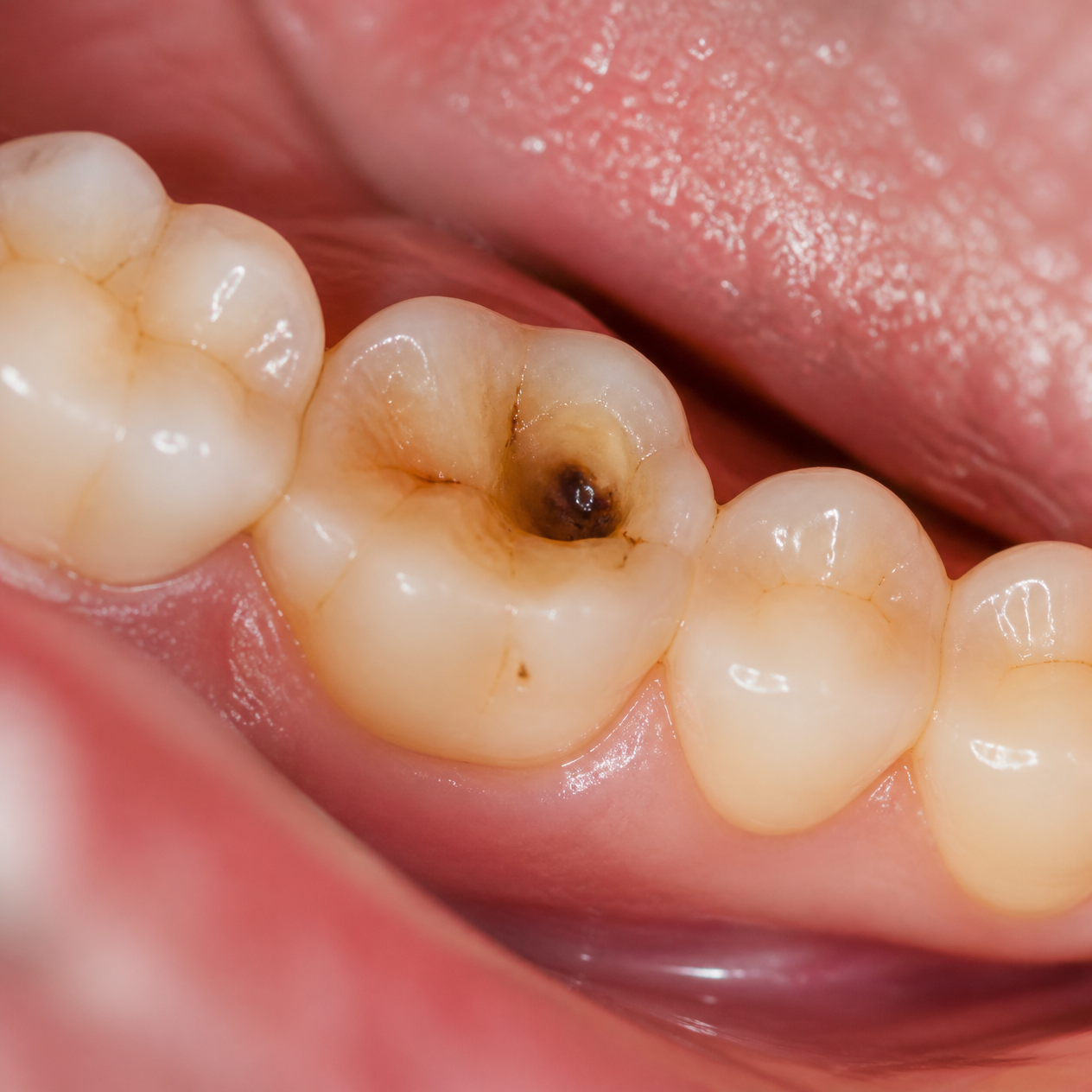
Close-up of a molar with a dark cavity beside healthy teeth and gums
November 6, 2026
Sensitivity, a dark spot, pain when you bite. Learn the early and late signs of a cavity, which ones mean call today, and how Tustin patients get it fixed.
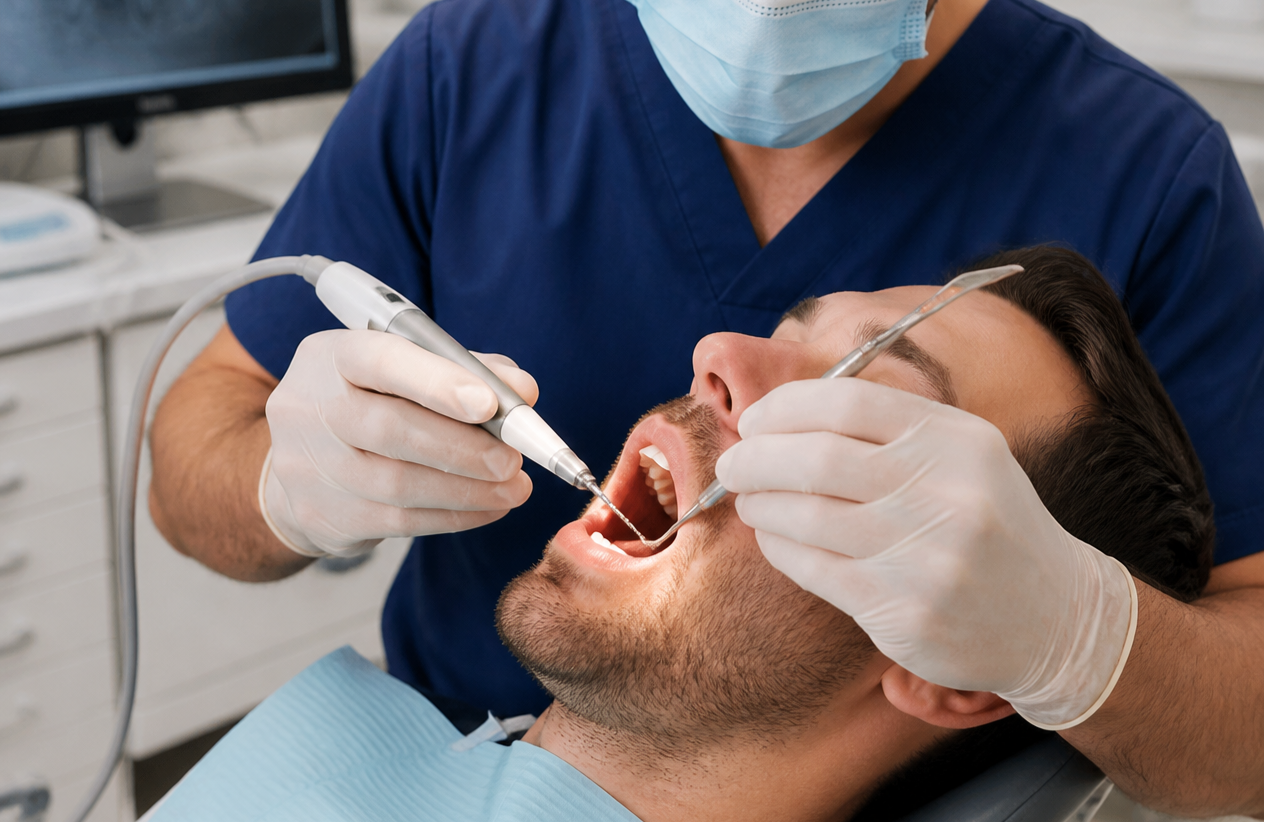
Dentist treating a patient in a dental chair with a drill and mirror
November 6, 2026
Lingering pain after cold drinks, pain when you bite, a darkening tooth, a gum bump. Learn the root canal symptoms that mean call today, from a Tustin dental office.
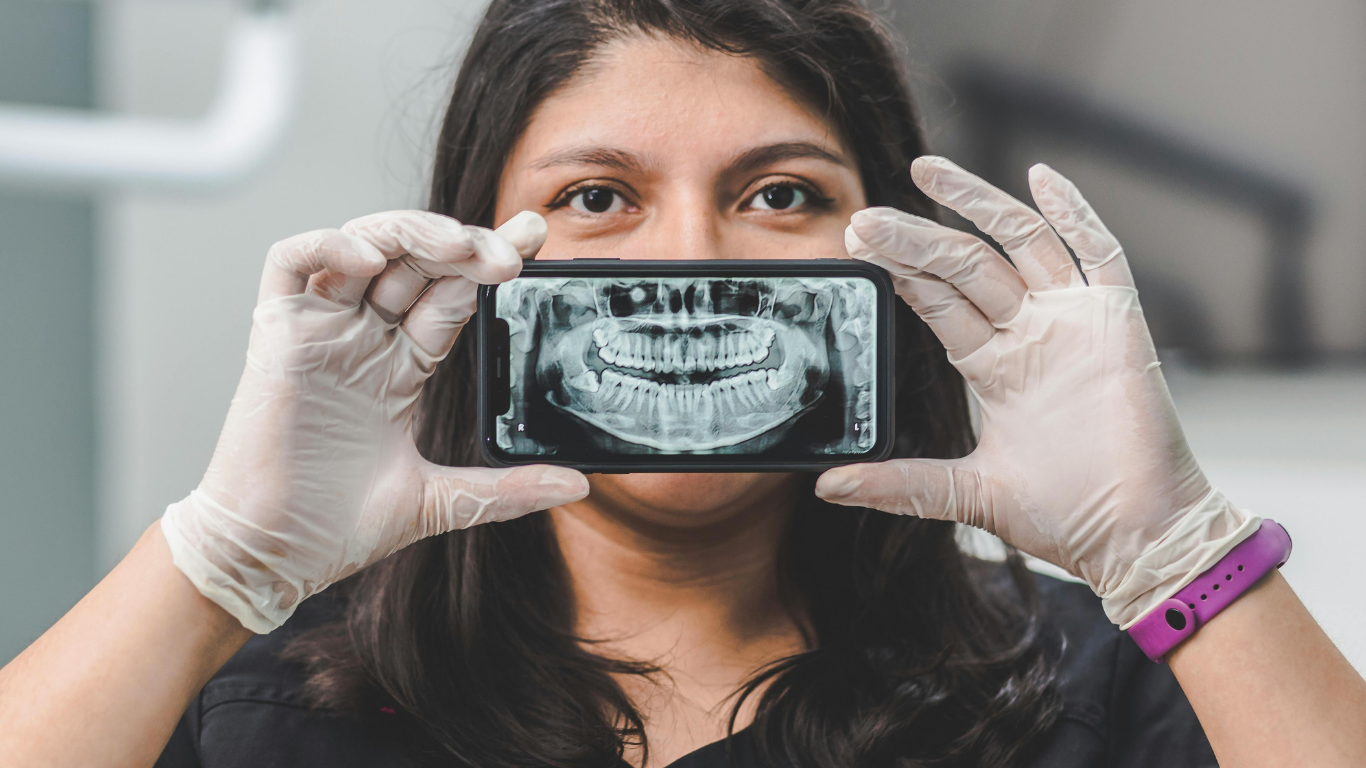
Person holding a smartphone showing an X-ray while wearing gloves in a clinical setting
October 8, 2026
A locked or suddenly painful jaw isn't always an emergency. Here's how a Tustin TMJ dentist sorts ER situations from same-day visits and at-home care.