Why Tustin Patients Are Switching to Dental Implants Over Root Canals
Dental implants are often the better long-term choice when a tooth is too damaged to save, because they replace the entire tooth root and help prevent the bone loss that follows tooth loss. A root canal saves a natural tooth that still has a fighting chance. An implant replaces one that doesn't.
Key Takeaways
- A root canal is still the right call when the tooth structure and surrounding bone are healthy enough to support it
- Implants become the stronger option once a tooth is fractured below the gumline, badly infected, or has already failed a prior root canal
- Bone preservation is one of the biggest long-term differences between the two options
- Cost, healing time, and the number of visits all factor into which path makes sense for a given patient
- A short consultation at Transformation Dental Partners in Tustin can usually settle the question with an exam and imaging
If you've just been told you need a root canal, or you've had one fail, you're probably doing what most people do: googling whether it's worth saving the tooth at all, or whether you should just move on to an implant instead. It's a fair question, and it doesn't have a one-size-fits-all answer. At
Transformation Dental Partners, Dr. Davin Li and his team walk patients through this exact decision on a regular basis, using imaging and a real look at the tooth rather than a generic rule of thumb.
It's worth saying upfront: this isn't a case of one procedure being objectively better than the other. Root canals and implants solve different problems. One is about preservation, the other is about replacement. The right answer depends entirely on what's actually happening inside a specific tooth, which is why so many patients feel stuck researching their way to a decision instead of just getting a proper exam.
When a Root Canal Still Makes Sense
A root canal isn't an outdated option. When the outer structure of the tooth is intact and there's enough healthy bone around the root, saving the natural tooth is usually still the better path. Natural teeth handle bite force in a way that's hard to fully replicate, and keeping one in place, when realistic, avoids an extraction altogether.
The procedure involves removing the infected or inflamed pulp inside the tooth, cleaning and shaping the canal, and sealing it, usually followed by a crown to protect what's left of the tooth. Recovery is typically quick, and for many patients, a root canal is the end of the story. Most people are back to normal eating within a few days, and the tooth, once crowned, functions essentially like any other.
There's also a psychological factor that shouldn't be underestimated. Many patients simply prefer to keep their natural tooth whenever that's a realistic option. There's something to be said for not having to think about a replacement tooth at all, and for a lot of the patients Dr. Li sees in Tustin, that preference alone is enough to make a root canal the right call, provided the tooth can genuinely support it.
Where it gets more complicated is when the tooth has already been through this once. A tooth that's cracked below the gumline, has lost too much structure, or has failed a previous root canal is a different conversation. In that scenario, attempting a second root canal, or a surgical retreatment, often means spending more time and money chasing a tooth that was never going to hold up long-term in the first place. That's usually the point where an implant enters the discussion.
Why Some Tustin Patients Are Choosing Implants Instead
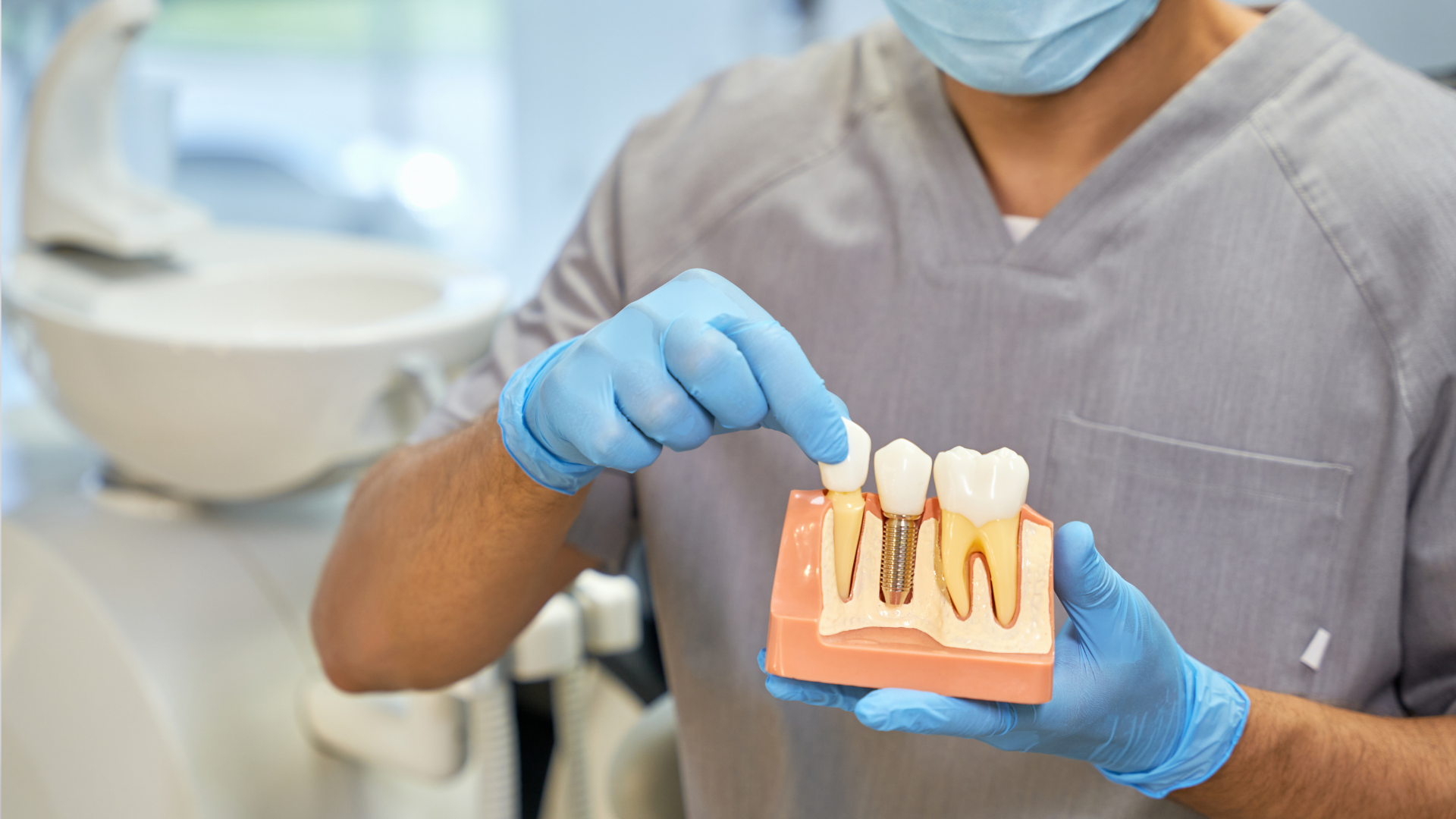
According to the ADA's MouthHealthy.org implants page, when a tooth is lost or extracted, the jawbone underneath it can begin to lose density over time because it's no longer being stimulated by a tooth root. A dental implant is designed to replace that root directly, which is part of why it's become a preferred option for teeth that can't realistically be saved.
Implants function independently of neighboring teeth. Unlike a bridge, an implant doesn't rely on the teeth next to it for support, which means those teeth aren't altered or put under extra strain.
They're also built to last for decades with normal care, which is a big part of why patients weighing a failed root canal against an extraction and implant increasingly choose the implant.
That said, an implant is a bigger initial procedure. It typically involves placing a titanium post in the jaw, allowing time for it to integrate with the bone (a process called osseointegration), and then attaching a crown once healing is complete. Depending on the case, that process can take a few months from start to finish, sometimes longer if a bone graft is needed first to build up enough density to support the post. It takes longer than a root canal, start to finish, but for a tooth that's already lost the fight, it's often the more durable answer.
The bone preservation piece deserves a bit more explanation, because it's usually the detail that changes a patient's mind once they understand it. Teeth aren't just sitting in the jaw, they're actively stimulating the bone around them every time you bite down. Pull a tooth and don't replace the root, and that section of jawbone has nothing left to respond to. Over months and years, it can shrink, which is part of why people who've had teeth missing for a long time sometimes notice changes in their facial structure or in how their remaining teeth shift. An implant, because it replaces the root itself and not just the visible crown, keeps that stimulation going.
For patients specifically weighing a failed root canal against extraction and replacement, this is often the deciding factor. A bridge or a partial denture can restore the appearance and some function of a missing tooth, but neither one addresses what's happening underneath the gumline the way an implant does.
What the Decision Actually Depends On
There's no universal rule here. What actually determines the right path is usually some combination of the following:
How much healthy tooth structure and bone remain- Whether the tooth has already had a root canal that's now failing
- How the tooth handles chewing forces given its location in the mouth
- The patient's timeline and how many appointments they're able to commit to
- Budget, since the two procedures aren't priced the same way
This is exactly why Dr. Li and the team recommend an actual exam with imaging rather than trying to guess from a phone conversation. A tooth that looks like a lost cause on the surface sometimes still has enough left to save, and the reverse is true too.
What a Consultation Actually Looks Like
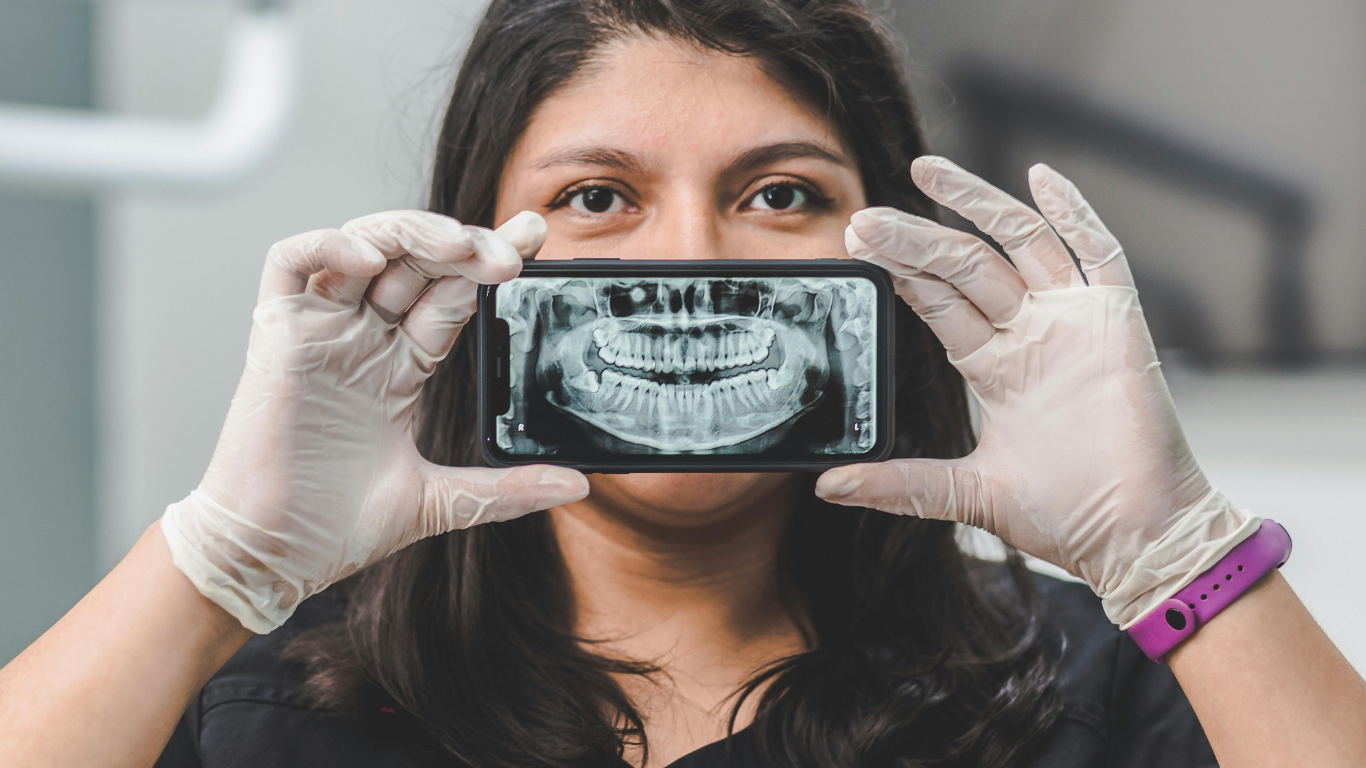
A lot of the anxiety around this decision comes from not knowing what the appointment itself involves. At Transformation Dental Partners, the process usually starts with a visual exam and imaging, often using a CBCT scanner, which gives a far more detailed view of the tooth root and surrounding bone than a standard X-ray alone. That level of detail matters here specifically, because the difference between "save it" and "replace it" often comes down to millimeters of remaining bone or a hairline fracture that wouldn't show up on a flat image.
From there, Dr. Li walks through what the imaging shows in plain language, not dental jargon, and lays out the realistic options. For patients who are anxious about the visit itself, the office is set up with that in mind. Comfort amenities and sedation options are available for patients who need them, which matters more than people expect when the conversation on the table is "root canal or extraction."
One thing that tends to surprise Tustin patients: the exam alone often resolves the uncertainty they came in with. Most people expect to leave with more questions. Instead, they leave with a specific plan for their specific tooth.
Frequently Asked Questions
Is a dental implant better than a root canal?
Neither option is universally better. A root canal is generally preferred when the natural tooth can still be saved, while an implant becomes the stronger choice once the tooth is too damaged, cracked, or previously failed to reasonably support a repair.
How do I know if my tooth needs a root canal or an implant?
The only reliable way to know is through a dental exam with X-rays or imaging, which shows how much healthy tooth structure and bone remain. Dr. Li's team can typically determine the right path in a single consultation visit.
How long do dental implants last?
With regular checkups and normal oral hygiene, a dental implant is designed to last for decades. The crown attached to it may eventually need replacement, but the implant post itself is built for long-term use.
Is getting a dental implant painful?
Most patients describe the procedure as far less uncomfortable than they expected, since it's done under local anesthesia. Some soreness during healing is normal and typically manageable with over-the-counter pain relief.
How much does a dental implant cost compared to a root canal?
Costs vary based on the individual case, the number of teeth involved, and whether a crown or additional bonework is needed. The team at Transformation Dental Partners reviews cost and any available payment options directly with each patient during a consultation, so there are no surprises.
About the Author: Dr. Davin Li, DDS, leads Transformation Dental Partners in Tustin, CA. He earned his DDS from the Ostrow School of Dentistry of USC in 2012, graduating in the top 10% of his class, and completed advanced residency training in special needs dentistry at the Rancho Los Amigos Rehabilitation Center in Downey, treating medically, physically, and mentally compromised patients.
Dr. Li is Invisalign-, Implant-, and CEREC-trained, which directly informs how he evaluates cases like the root canal versus implant decision covered in this article.
He continues to devote one day a week to providing in-home dental care for medically compromised geriatric residents across Los Angeles, Orange, and San Diego counties, and holds memberships with the American Association of Endodontists, the Special Care Dentistry Association, the Orange County Dental Society, the California Dental Association, and the American Dental Association.
Serving patients throughout Tustin, CA and the surrounding Orange County community.
Ready to Find Out Which Option Is Right for You?
Whether a root canal or a dental implant is the better fit depends on your specific tooth, not a general rule. The team at Transformation Dental Partners in Tustin can walk you through both options after a thorough review of what's going on.
Schedule your consultation with Transformation Dental Partners today.