Root Canal Symptoms: How to Know Your Tooth Needs Treatment Before It Becomes an Emergency
Common root canal symptoms include tooth pain that lingers after hot or cold food or drinks, pain when biting or chewing, throbbing that starts without a trigger, a tooth that darkens, and swelling or a pimple-like bump on the nearby gum. These signs usually mean the pulp inside the tooth is inflamed or infected and needs treatment.
Quick Answer
If the ache hangs on after the ice water is gone, keeps you up at night, or comes with a gum bump, call a dentist today. A root canal is how that tooth gets saved.
Key Takeaways
- Sensitivity that fades in a second or two is common. Sensitivity that keeps aching after the drink is gone is a warning sign.
- Pain that starts on its own, especially at night, often means the nerve inside the tooth is in trouble.
- A tooth can need a root canal and still feel fine, which is one reason imaging matters.
- Swelling or a bump on the gum means infection, and it belongs in the same-day category.
- Root canal treatment removes the damaged pulp so the natural tooth can stay in place.
Hold on to one detail from the first sign below, because it comes back later: the difference between a tooth that hurts for a second and a tooth that keeps hurting.
Most people who search "do I need a root canal" already suspect the answer. Something has changed with one tooth, and it's not going away. At Transformation Dental Partners in Tustin, root canal treatment is one of the ways we save teeth that would otherwise be lost, and our
root canal treatment page explains how the procedure works at our office.
This guide covers what the symptoms feel like, what they mean, and what we actually check before recommending treatment.
What are the most common root canal symptoms?
The signs dentists pay most attention to are pain that lingers after hot or cold, sharp pain when you bite or tap the tooth, throbbing that starts without a trigger, a tooth that turns gray or darker than its neighbors, and a swollen or tender gum with a small bump near the root. Any one of these deserves an exam.
- Lingering temperature pain. A sip of cold water hurts, and the ache is still there half a minute later.
- Pain when chewing or biting. Pressure on the tooth, even light pressure, causes a sharp or deep ache.
- Spontaneous pain. The tooth starts throbbing while you're sitting still, or it wakes you up.
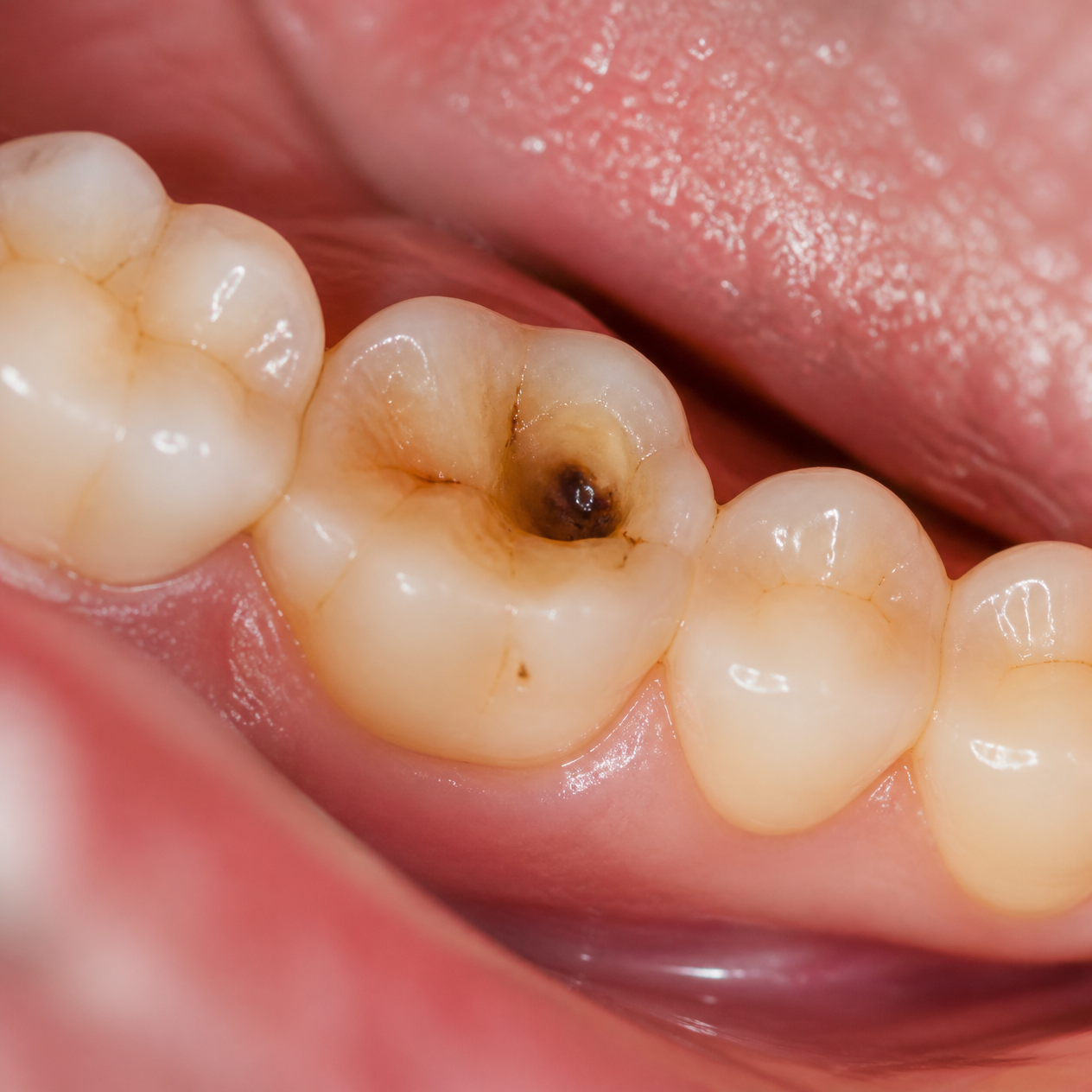
- Discoloration. One tooth looks grayer or darker than the others, often after an old injury.
- Gum changes. Tenderness, swelling, or a pimple-like bump near the root, sometimes with a bad taste if it drains.
- Pain that spreads. The ache seems to come from the jaw, the ear, or several teeth at once, and you can't pin it to one.
The American Association of Endodontists notes in its
guide to cracked teeth that pain from a damaged tooth can come and go, and that dentists sometimes have trouble locating the tooth causing it. That's normal. It is also why guessing at home rarely works.
Why does the pain linger?
Inside every tooth is the pulp, soft tissue that holds the nerve and blood supply. A healthy pulp reacts to cold and then recovers. An inflamed pulp can't recover, so the pain outlasts whatever set it off. Pulp inflammation usually comes from deep decay, a crack, repeated dental work, or an injury.
Remember the detail from the top, the tooth that hurts for a second versus the tooth that keeps hurting? That gap is one of the things a dentist tests on purpose. A short response suggests a healthy nerve. A long one suggests a nerve that can't calm down.
Once the pulp is damaged beyond recovery, it can die. A dying pulp sometimes stops hurting altogether, which people understandably take as good news. It usually isn't. Bacteria can move into the dead tissue and form an abscess at the root tip. Mayo Clinic's
overview of tooth abscess explains that an untreated infection can spread into the jaw and surrounding tissue.
Can you need a root canal without any pain?
Yes. A tooth whose pulp has already died may not hurt at all, and some infections sit quietly at the root for a long time. These teeth are often found on routine X-rays or scans, or because the tooth has darkened, or because a small bump appears on the gum and never quite goes away.
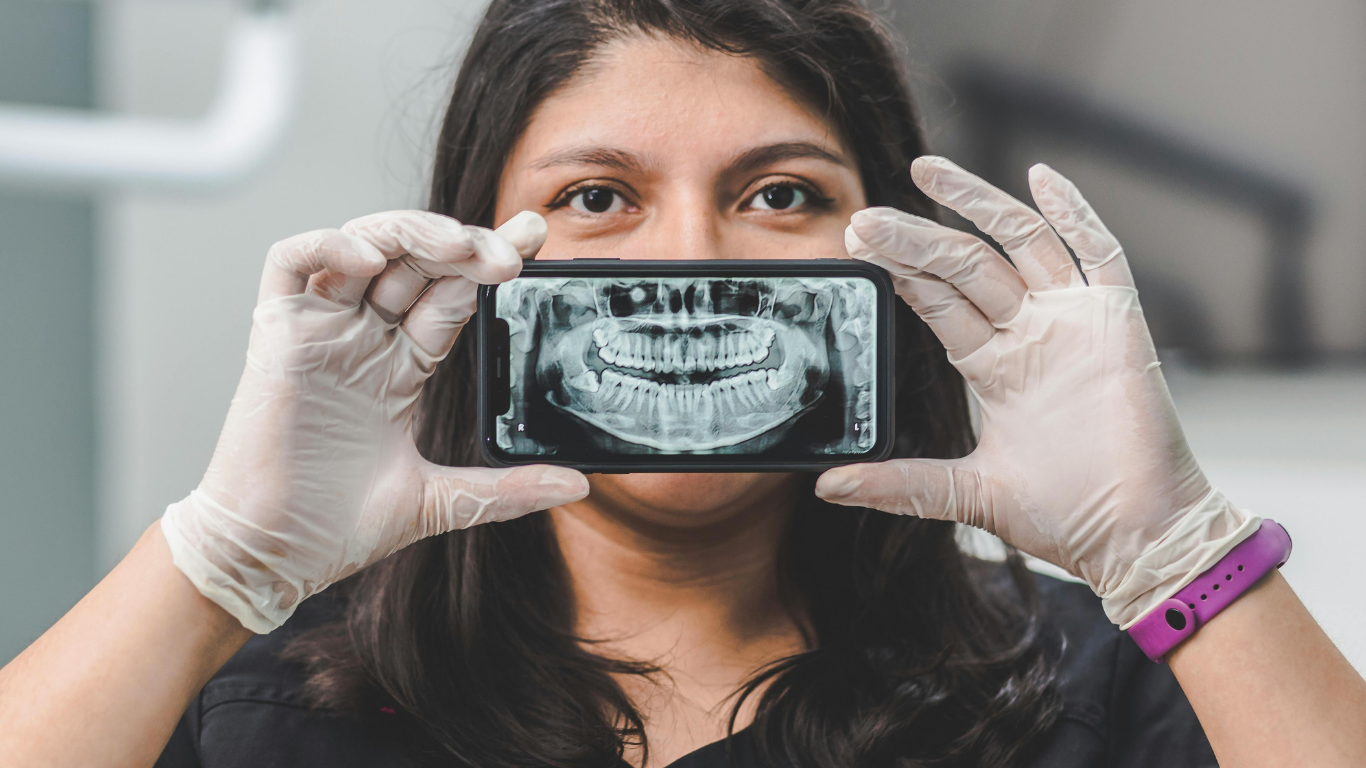
This surprises a lot of patients. They come in for a cleaning, feel fine, and learn a tooth needs treatment. The imaging is what shows it. Our office uses CBCT imaging, a 3D scan that can show infection around the roots and problems inside the pulp that a standard X-ray can miss.
How does a dentist decide you need a root canal?
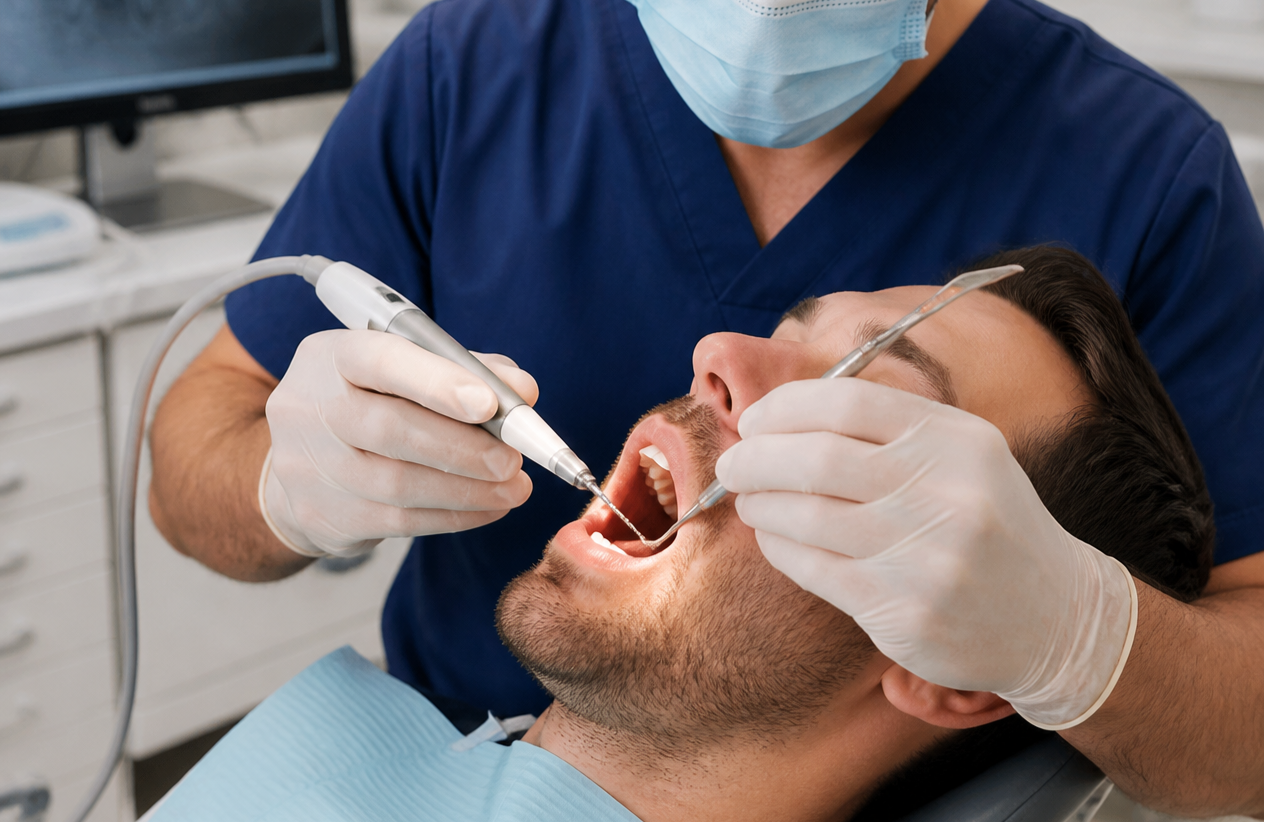
Symptoms start the conversation, but testing decides it. Dr. Li looks at how the tooth responds to cold, how it feels when tapped or when you bite down, what the gum around it looks like, and what the imaging shows at the root. Together, those answers tell us whether the pulp can recover or needs treatment.
What a root canal exam usually includes:
- A cold test on the suspect tooth and a neighbor, to compare how long the response lasts
- Gentle tapping and a bite test to check for pain under pressure
- A look at the gums for swelling, tenderness, or a draining bump
- Imaging to see the root tip and surrounding bone
- A close look for cracks, often under magnification
Our office uses a dental operating microscope that magnifies the view up to 25 times, which helps with both finding the problem and treating it. If a root canal is the right call, we'll explain why, what the visit involves, and what the alternatives are. Sedation dentistry is available for patients who are anxious about treatment.
What happens if you wait?
An inflamed or infected pulp doesn't heal by itself. Waiting usually means the infection spreads to the root tip and surrounding bone, pain and swelling increase, and the tooth loses more structure. The longer the wait, the harder the tooth is to save, and extraction becomes more likely.
Swelling is the point where this stops being a scheduling question. If your face or gum has started to swell, go to the emergency room first if you have trouble breathing or swallowing. Otherwise, call a dentist for a same-day visit. Our earlier comparison of
dental implants and root canals walks through what happens when a tooth can't be saved.
Frequently Asked Questions
How do you know if you need a root canal?
The strongest signs are pain that lingers after hot or cold, pain when you bite, throbbing that starts on its own, a darkening tooth, and a bump or swelling on the gum. Only an exam with testing and imaging can confirm it, because some teeth that need treatment don't hurt.
What does root canal pain feel like?
People describe it as a deep ache or throb, sharp pain when biting, or an ache that stays long after a cold drink. It can spread to the jaw or ear and be hard to pin to one tooth. Pain that wakes you at night is a common sign the pulp is inflamed.
Can a tooth that needs a root canal heal on its own?
No. Once the pulp is inflamed beyond recovery or infected, it doesn't return to health without treatment. The pain may fade if the nerve dies, but the infection can remain and spread. Root canal treatment removes the damaged tissue so the tooth can be kept.
What happens if you don't get a root canal?
The infection can spread to the root tip and bone, forming an abscess that causes swelling and more pain. Over time, the tooth may become impossible to save and need to be removed. In rare cases, a dental infection spreads beyond the jaw and becomes serious.
Is a root canal an emergency?
It becomes one when you have swelling, a gum bump, fever, or pain you can't control. Those signs mean infection and call for same-day dental care. Trouble breathing or swallowing means going to the emergency room right away.
Does a root canal save the tooth?
That is the purpose of the procedure. The dentist removes the inflamed or infected pulp, cleans and seals the inside of the tooth, and restores the outside, often with a crown. The natural tooth stays in place instead of being extracted.
Who's Behind This Guide
Dr. Davin Li, DDS, leads Transformation Dental Partners and is a member of the American Association of Endodontists, the professional organization for root canal care. His other memberships include the American Dental Association, the California Dental Association, the Orange County Dental Society, and the Special Care Dentistry Association.
Dr. Li earned his undergraduate degree at the University of California, San Diego, and graduated in the top 10% of his class from the USC Ostrow School of Dentistry in 2012. He completed his residency at Rancho Los Amigos Rehabilitation Center in Downey, with advanced training in caring for medically, physically, and mentally compromised patients.
He is trained in Invisalign, dental implants, and CEREC, and one day a week he provides in-home dental care to medically compromised older adults in Los Angeles, Orange, and San Diego counties.
A Tooth That Won't Settle Down?
Pain that lingers, throbs, or wakes you up means something inside the tooth has changed. The sooner it is examined, the better the chance of saving it.
Transformation Dental Partners is at 13372 Newport Ave, Suite G, Tustin, CA 92780. We're open Monday through Thursday, 8:00 AM to 5:00 PM, and Friday, 8:00 AM to 1:00 PM, with Friday afternoons and weekends by appointment. Over Thanksgiving, the office is closed Thursday, November 26, and Friday, November 27. Emergency patients get same-day priority during office hours, and our 24-hour emergency line takes calls when we're closed.